

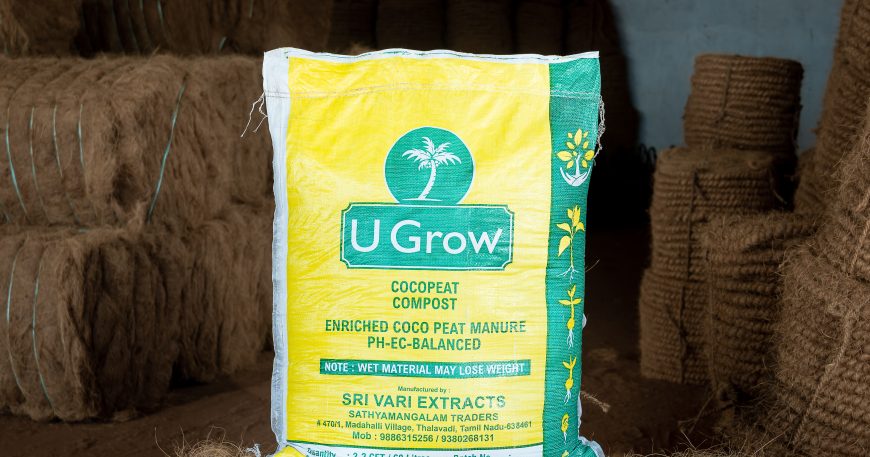
Gardening enthusiasts and professionals alike are always in search of sustainable, eco-friendly materials to improve soil quality and promote plant health. One such revolutionary product is coco peat compost, a versatile and environmentally-friendly medium derived from coconut husks. In this comprehensive guide, we’ll explore everything you need to know about coco peat compost—its benefits, uses, and how to make it at home.
What is Coco Peat?
Coco peat, also known as coir pith or coir dust, is a by-product of the coconut industry. It is the fibrous material extracted from the husk of coconuts during the process of coir fiber production. Naturally spongy and lightweight, coco peat is an excellent alternative to traditional soil additives like peat moss.
When composted, coco peat becomes even more beneficial as it integrates organic nutrients, enhancing its value for gardening purposes.

Benefits of Coco Peat Compost
Coco peat compost is increasingly popular for its wide range of benefits, particularly for sustainable gardening. Here are some key advantages:
- Eco-Friendly and Sustainable
- Coco peat is a renewable resource, unlike peat moss, which is harvested from non-renewable bogs. By using coco peat compost, you’re contributing to environmental conservation.
- Improved Water Retention
- Coco peat can hold up to 8-10 times its weight in water, ensuring consistent moisture levels for plants. This reduces the frequency of watering and prevents water wastage.
- Enhanced Soil Aeration
- Its porous structure allows better air circulation around plant roots, promoting healthy growth and preventing root rot.
- Neutral pH Levels
- Coco peat has a neutral pH of 5.5 to 6.5, making it suitable for a wide variety of plants without the need for extensive pH adjustments.
- Natural Pest Resistance
- The natural composition of coco peat helps in resisting common soil pests, reducing the need for chemical pesticides.
- Organic and Biodegradable
- Coco peat compost is 100% organic and biodegradable, ensuring it integrates seamlessly into the soil without causing harm to the environment.
Uses of Coco Peat Compost
Coco peat compost is versatile and can be used in numerous gardening applications:
- Seed Germination
- Its fine texture makes it an ideal medium for starting seeds. The consistent moisture retention ensures optimal germination conditions.
- Potting Mix
- Coco peat compost can be mixed with soil, vermicompost, and other organic materials to create a nutrient-rich potting mix.
- Mulching
- Use coco peat as a mulch to retain soil moisture, suppress weeds, and regulate soil temperature.
- Soil Amendment
- Improve poor soil by mixing coco peat compost to enhance its structure, moisture retention, and nutrient content.
- Hydroponics
- As a soilless growing medium, coco peat is widely used in hydroponic systems to support plant roots and retain water.
How to Make Coco Peat Compost at Home
Making coco peat compost at home is simple and cost-effective. Here’s a step-by-step guide:
- Gather Materials
- Obtain coco peat blocks from a gardening store or online.
- Collect organic waste like kitchen scraps, garden trimmings, and dried leaves.
- Prepare the Coco Peat
- Soak the coco peat block in water until it expands and becomes loose. Break it apart with your hands to achieve a fluffy consistency.
- Build Your Compost Pile
- Layer the organic waste and prepared coco peat in a compost bin or pile. Alternate layers to ensure even decomposition.
- Maintain Moisture Levels
- Keep the compost pile moist but not waterlogged. Coco peat’s water-retention ability will help maintain the right moisture balance.
- Turn the Pile
- Aerate the compost by turning it with a garden fork every 1-2 weeks. This ensures proper decomposition and prevents foul odors.
- Harvest the Compost
- In 6-8 weeks, the compost should turn dark and crumbly with a pleasant earthy smell. Use it directly in your garden or store it for later use.
Tips for Using Coco Peat Compost
- Combine with Fertilizers: While coco peat compost is nutrient-rich, combining it with organic fertilizers can further enhance its benefits for plant growth.
- Monitor Moisture: Avoid overwatering plants when using coco peat, as it retains moisture efficiently.
- Store Properly: If you’re not using coco peat immediately, store it in a dry, cool place to prevent contamination.
Conclusion
Coco peat compost is a sustainable, versatile, and eco-friendly solution for modern gardening. Whether you’re a home gardener or a professional horticulturist, incorporating coco peat compost into your gardening routine can significantly improve soil health and plant vitality while contributing to environmental conservation.
Start using coco peat compost today and experience the transformation in your garden. With its numerous benefits and ease of use, it’s the perfect choice for a greener, more sustainable future.


